


Intersection and Highway Car Accidents in San Antonio
Introduction
Intersection and highway accidents are among the most common types of car crashes in San Antonio. A San Antonio car accident lawyer can help individuals better understand how these types of collisions are evaluated, especially in high-traffic areas where speed, visibility, and driver decision-making all play a role.
Because these environments involve different driving conditions, the causes and consequences of these accidents can vary significantly. Understanding how intersection and highway accidents happen can help you better make sense of what occurred and what to expect next.
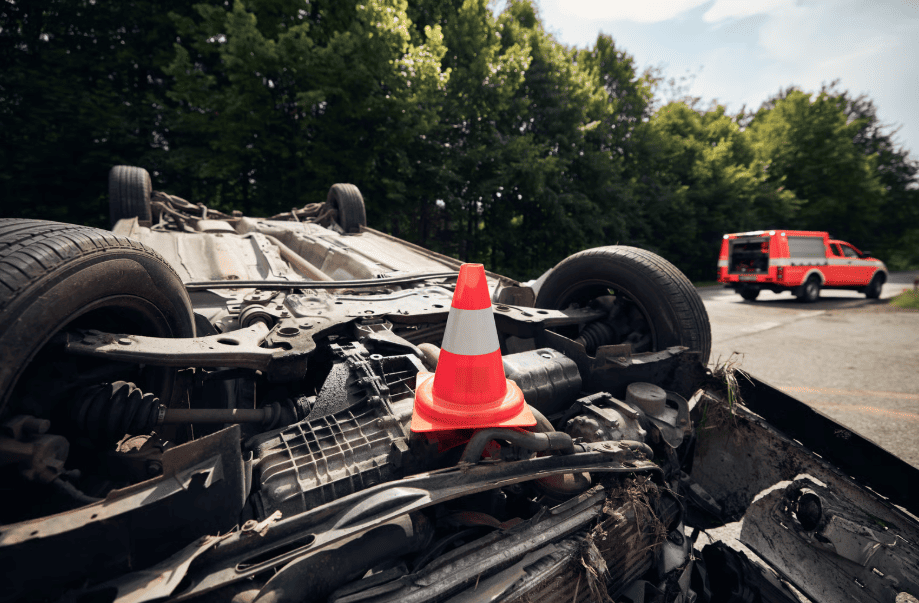
how intersection accidents happen
Intersection accidents often occur when drivers fail to properly navigate traffic signals, stop signs, or right-of-way rules. These areas require constant attention, as multiple vehicles may be moving in different directions at the same time.
In many cases, accidents happen when a driver misjudges the timing of a light, turns without yielding, or attempts to move through an intersection too quickly. Visibility can also play a role, particularly in areas with heavy congestion or obstructed views.
Because intersections involve multiple points of movement, even a small mistake can lead to a collision.
How highway accidents happen
Highway accidents typically involve higher speeds, which can increase the severity of a crash. In San Antonio, major roads such as I-10, I-35, and Loop 410 carry large volumes of traffic throughout the day.
These accidents often occur when drivers follow too closely, change lanes without sufficient awareness, or fail to react in time to slowing traffic. At higher speeds, even a brief lapse in attention can lead to a chain-reaction collision involving multiple vehicles.
Differences Between Intersection and Highway Accidents
While both types of accidents are common, they differ in how they occur and how they are evaluated.
Intersection accidents often involve questions about right-of-way, traffic signals, and turning behavior. Highway accidents, on the other hand, are more commonly related to speed, spacing between vehicles, and reaction time.
Understanding these differences can help clarify how responsibility is evaluated in each situation.
Dangerous Intersections in San Antonio
Certain intersections in San Antonio experience higher traffic volume and more frequent collisions due to congestion, complex layouts, and driver behavior.
Areas along Loop 410, I-35 access roads, and major crossings near downtown often see increased accident activity, particularly during peak traffic hours. These locations may involve heavy turning traffic, closely spaced signals, or limited visibility.
Because of these conditions, drivers may be more likely to misjudge timing, fail to yield, or react too late to changing traffic signals.
Driving Conditions on San Antonio Highways
San Antonio highways are often heavily congested, especially during morning and evening commutes. Roads such as I-10, I-35, and Loop 410 frequently experience sudden slowdowns, lane merging, and stop-and-go traffic.
Construction zones are also common and can create narrow lanes and shifting traffic patterns. These conditions increase the likelihood of sudden braking and multi-vehicle collisions.
At higher speeds, drivers have less time to respond, which can make even minor mistakes more serious.
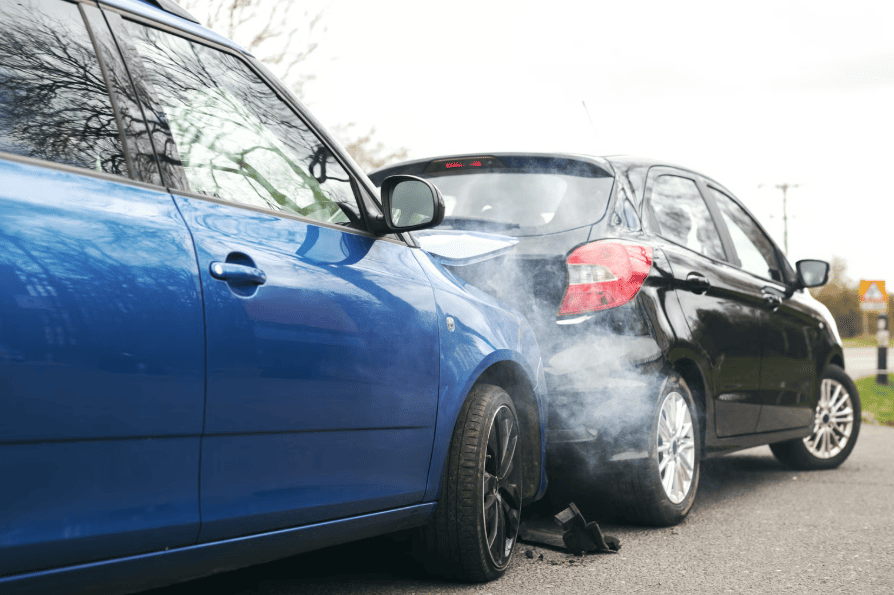
When These Accidents Are More Likely to Occur
Intersection and highway accidents are more likely during periods of increased traffic. Morning and evening rush hours often bring higher vehicle density, which can lead to delayed reactions and more frequent collisions.
Late-night driving can also present risks, particularly on highways, where reduced visibility and fatigue may play a role. In some cases, impaired driving can further increase the likelihood of an accident during these hours.
Injuries in Intersection and Highway Accidents
The injuries resulting from these accidents can vary depending on the type and severity of the collision. Intersection crashes often involve side impacts, which can result in serious injuries due to limited protection along the sides of a vehicle.
Highway accidents frequently involve higher speeds, which can lead to more severe trauma. Head injuries, spinal injuries, fractures, and soft tissue damage are all possible outcomes.
Some injuries may not be immediately noticeable and can develop over time.
Determining Fault in These Accidents
Fault in intersection and highway accidents is typically determined by examining how each driver behaved leading up to the crash.
In intersection accidents, this may involve reviewing traffic signals, right-of-way, and turning decisions. On highways, factors such as following distance, lane changes, and speed are often considered.
Because these accidents may involve multiple vehicles, determining responsibility can require a detailed review of how the events unfolded.
Why these accidents are often disputed
Intersection and highway accidents frequently involve conflicting accounts of what happened.
At intersections, drivers may disagree about who had the right-of-way or whether a traffic signal was followed. On highways, disputes may arise over lane changes, braking behavior, or vehicle positioning.
Because of these factors, determining fault may require careful evaluation of evidence and driver behavior.
Evidence in Intersection and Highway Accidents
Evidence plays an important role in understanding how these accidents occur. Police reports often provide an initial account, while witness statements can help clarify conflicting perspectives.
Photographs of the scene, vehicle damage, and road conditions can provide additional insight. In some cases, traffic cameras or nearby surveillance may capture the accident, particularly at intersections.
For highway accidents involving multiple vehicles, gathering information early can be especially important.
Insurance Claims After These Accidents
Insurance claims involving intersection and highway accidents can vary depending on how the crash occurred and whether fault is disputed.
When multiple vehicles are involved or responsibility is unclear, the claims process may take longer. Insurance companies often review evidence, statements, and documentation to determine how the situation should be handled.

Speak With a San Antonio Car Accident Lawyer
Intersection and highway accidents can involve complex circumstances, especially when multiple factors contribute to the crash. Understanding how these accidents are evaluated can help you make informed decisions about what to do next.
If your accident occurred in San Antonio, you can learn more about your situation by speaking with a San Antonio car accident lawyer.
Frequently Asked Questions
Yes. Intersections are one of the most frequent locations for accidents due to traffic signals and multiple directions of travel.
Higher speeds reduce reaction time and increase the force of impact, which can lead to more severe injuries.
Yes. Responsibility may be shared depending on how each driver contributed to the crash.

Schedule an Initial Consultation
To schedule a free phone consultation, please complete the form.


Texas Office
Arizona Office