




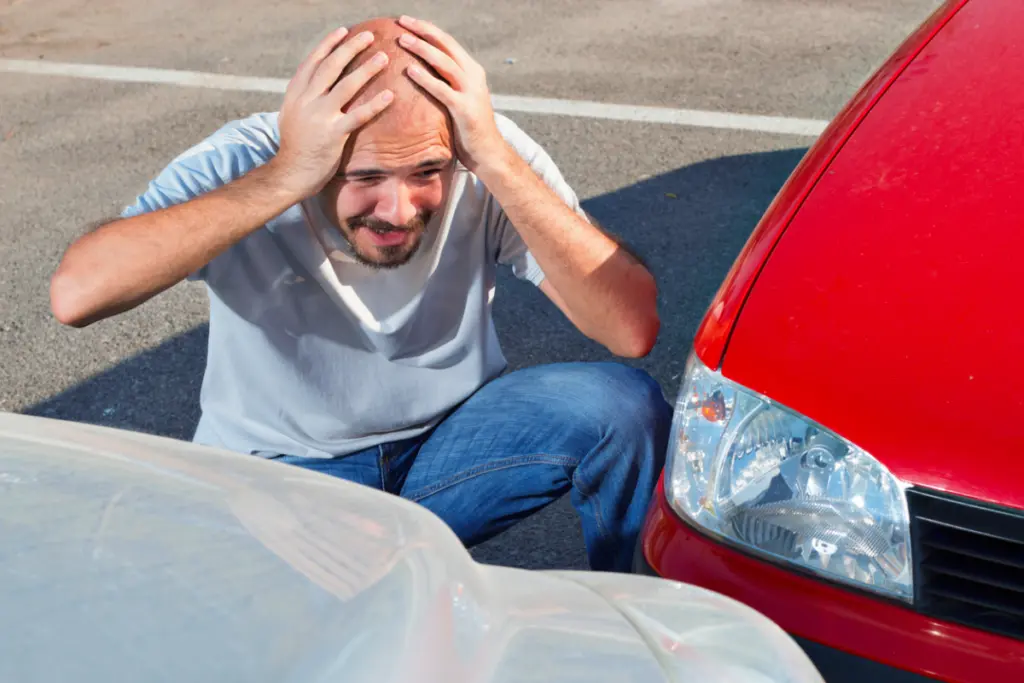
An uninsured driver who causes a car accident faces a cascade of consequences that go far beyond a simple traffic ticket. From license suspension and steep fines to personal lawsuits and wage garnishment, the fallout can follow them for years. And buying car insurance after the fact does nothing to cover the crash that already happened.
Key Takeaways
If you’ve been hurt by an uninsured driver, the most important step is to speak with an uninsured motorist accident attorney as soon as possible to protect your rights. Driving without insurance triggers severe legal and financial penalties, and the consequences only multiply when an accident is involved.
- An uninsured at-fault driver can be sued personally for bodily injury and property damage, with no insurance company to step in and pay on their behalf.
- Courts may authorize wage garnishment and asset seizure to satisfy judgments, and unpaid debts can follow the driver for 5 to 20 years.
- Uninsured drivers are personally liable for all accident-related costs, including medical bills, lost wages, and vehicle repair.
- Injured victims can still recover compensation through their own uninsured motorist coverage or by filing a civil lawsuit against the at-fault party directly.
How Driving Without Insurance Violates Financial Responsibility Laws
Almost every U.S. state mandates financial responsibility or liability coverage for drivers. New Hampshire is the lone exception, though it still requires proof you can cover damages you cause. Financial responsibility means you must be able to pay for bodily injury and property damage resulting from any collision you cause. Insurance provides financial protection against unexpected accident costs, and liability insurance compensates others for damages in an accident.
Most states set minimum coverage thresholds. A typical 25/50/25 policy, for example, covers $25,000 per person for bodily injury, $50,000 total per accident, and $25,000 for property damage. California requires drivers to carry minimum auto insurance coverage as well. These limits only apply to harm caused to the other driver and passengers, not the at fault driver’s own injuries.
In fault-based states, the at fault driver’s insurance company normally pays claims. When the driver has no auto insurance, they remain personally on the hook for every dollar. And being caught without insurance, even without a crash, already exposes drivers to tickets, fines, and possible license suspension.
Immediate Legal and Financial Consequences After an Accident With No Insurance
Picture this: in mid-2026, a driver without insurance rear-ends a car at a stoplight, causing $15,000 in vehicle damage and soft-tissue injuries to the other party. Police arrive, cite the driver on the spot for failure to maintain liability coverage, and file an accident report.
Here is what typically follows:
- A traffic citation with fines ranging from $50 to over $5,000 depending on the state and offense history
- Court costs added on top of the base fine
- A requirement to show proof of car insurance or an SR-22 filing before the license plate and driving privileges are reinstated
- State departments of motor vehicles suspend licenses and registrations for uninsured drivers until compliance is proven
- Uninsured motorists may be subject to vehicle impoundment following an accident
Penalties escalate when injuries are involved, when the driver has prior no-insurance violations, or when aggravating factors like DUI or speeding are present. The police report will clearly note whether the driver had valid liability coverage at the time of the collision, and that document becomes key evidence in any insurance claim or lawsuit that follows. Always file a police report after an accident, take pictures of the accident scene and damages, and exchange contact information with witnesses at the scene. Documenting the accident scene can strengthen your case significantly.
Personal Financial Responsibility for Bodily Injury and Property Damage
Without liability coverage, the uninsured at-fault driver must personally pay every dollar of harm they cause. Insurance covers medical expenses and property damage in accidents, but when there is no policy, no insurer steps in.
The categories of loss stack up fast:
- Emergency room bills, surgery, physical therapy, and long-term care
- Medical treatment and rehabilitation costs
- Lost wages during recovery
- Vehicle repair or replacement, towing, and rental car expenses
- Pain and suffering, future medical care, and loss of earning capacity
Even a “minor” crash can realistically generate medical expenses and property damage totals that exceed $20,000 to $50,000. Severe collisions involving spinal injuries or traumatic brain injury can reach hundreds of thousands. You may need to prove your injuries for compensation, so keeping thorough records of all medical treatment is critical.
The uninsured driver’s own health insurance may help cover their personal injuries, but it does nothing to satisfy their legal obligation to the injured parties. It won’t pay for the other party’s medical bills, lost income, or vehicle damage.
How Injured Victims Seek Legal Remedies Against an Uninsured At-Fault Driver
Victims are not left without options just because the at-fault party carries no car insurance. Two primary paths exist to seek compensation: tapping your own insurance policies or suing the uninsured motorist personally.
Uninsured motorist coverage helps pay for damages from uninsured drivers. It is a part of your own auto policy that acts as the missing liability coverage the at-fault driver should have carried. Underinsured motorist coverage works similarly when an uninsured or underinsured driver causes damages that exceed their limits. Many states require insurers to offer this motorist coverage, while others mandate it outright.
The basic claim process looks like this:
- Notify your insurance company promptly
- Provide the police report, medical records, and photos of vehicle damage
- Cooperate with the insurer’s investigation and recorded statements
- Consider hiring a lawyer if the other driver is uninsured and damages are substantial
Witness statements can significantly help your compensation claim. If UM/UIM insurance coverage is unavailable, you can file a lawsuit against the uninsured driver for medical expenses, lost income, and property damage. Collecting on a judgment may involve wage garnishment, bank account levies, or liens on the driver’s real estate or vehicles.
Civil Judgments, Wage Garnishment, and Long-Term Consequences for the Uninsured Driver
A court judgment does not disappear because the uninsured driver cannot pay immediately. In many states, judgments remain enforceable for 5 to 20 years and can be renewed, with interest accruing the entire time.
Once a court finds the uninsured motorist liable for the car accident, the judgment amount can include medical and repair costs plus interest and court costs. Civil lawsuits can lead to wage garnishment or liens against the uninsured driver if a judgment is awarded. In plain terms, wage garnishment means a percentage of the driver’s paycheck is automatically withheld until the debt is satisfied, subject to state limits.
Courts may also authorize seizure of non-exempt assets, including vacation property, luxury vehicles, or investment accounts. Unpaid judgments damage the uninsured driver’s credit score for years, making it harder to secure loans, housing, or even certain jobs where a credit check is part of the application. Legal action can be pursued against uninsured drivers for damages long after the crash itself.
Criminal and Administrative Penalties: Fines, License Suspension, and SR-22 Requirements
The uninsured motorist’s problems extend beyond civil liability. Criminal and administrative penalties from the state add another layer, especially after a crash involving injuries. Many states treat repeat offenses of driving without insurance as misdemeanor charges, and uninsured drivers may face fines exceeding $1,000 for violations. Uninsured drivers may face increased penalties after an accident, including community service or probation.
Most states will suspend the driver’s license and vehicle registration after an at-fault accident without coverage, sometimes until all damages are paid, or a payment plan is in place. A suspended license makes legal proceedings even more complicated.
States may require the filing of an SR-22 or FR-44 form to register a vehicle after an uninsured incident. An SR-22 is a certificate of financial responsibility that proves you carry liability insurance at the required minimum. Drivers typically must maintain SR-22 status for two to three years. That filing makes car insurance premiums spike, turning long-term costs into yet another consequence of driving without insurance. In Texas and many other states, lapsing on an SR-22 policy triggers immediate re-suspension of driving privileges.
Getting Insurance After the Accident: High-Risk Policies and Future Premiums
Many uninsured drivers try to buy coverage immediately after a car accident, but new insurance policies virtually never cover a crash that already happened. There is no retroactive protection.
Having an accident and a no-insurance violation on record pushes the driver into the high-risk category with most insurers. Driving uninsured can lead to higher future insurance costs once coverage is obtained. High-risk or non-standard auto insurance comes with higher premiums, larger down payments, and strict payment schedules, especially when an SR-22 filing is required. Collision coverage and personal injury protection add further costs.
Missing a single payment can lead to cancellation, which may restart the license suspension or SR-22 timeline, trapping the driver in a cycle of noncompliance. The only realistic path forward is maintaining continuous coverage, improving driving habits, and avoiding further tickets to gradually rebuild an insurability record with insurers.
Why Uninsured Motorists and Injured Victims Should Talk to a Car Accident Lawyer
Both uninsured drivers and the people they injure benefit from consulting a car accident lawyer who handles uninsured and underinsured motorist claims and lawsuits. The stakes are too high and the legal requirements too nuanced for guesswork.
For injured victims, an attorney can:
- Investigate the crash and gather evidence
- Calculate full damages including future medical care
- Negotiate with the insurance company on UM/UIM claims
- File suit against the at-fault party and pursue compensation when necessary
For uninsured motorists, a lawyer may help defend against exaggerated claims, negotiate a structured payment plan, or explore whether bankruptcy could provide relief under federal and state law. Many firms offer a free consultation so people can understand their options before facing an insurance company alone.
Strict filing deadlines (statutes of limitations) apply in every state. Delaying legal advice can permanently damage your ability to recover compensation or defend a claim. If an uninsured driver hits you, or you caused a crash without coverage, act now rather than later.