


San Antonio Rear-End Accident Lawyer
rear-End accident Lawyer in San Antonio
Rear-end collisions are one of the most common types of car accidents in San Antonio. These crashes often occur in heavy traffic, at intersections, or on busy highways like I-10, I-35, and Loop 410. While some rear-end accidents may appear minor at first, they can lead to serious injuries that affect a person’s health, mobility, and daily life. In many cases, speaking with a San Antonio car accident lawyer can help you better understand your options after a crash.
Because these accidents frequently involve sudden impact, victims may experience injuries that are not immediately obvious. Neck, back, and soft tissue injuries can develop over time, making early evaluation and proper documentation important.
If you were involved in a rear-end accident, understanding how these crashes happen and how responsibility is determined can help you better navigate what comes next.
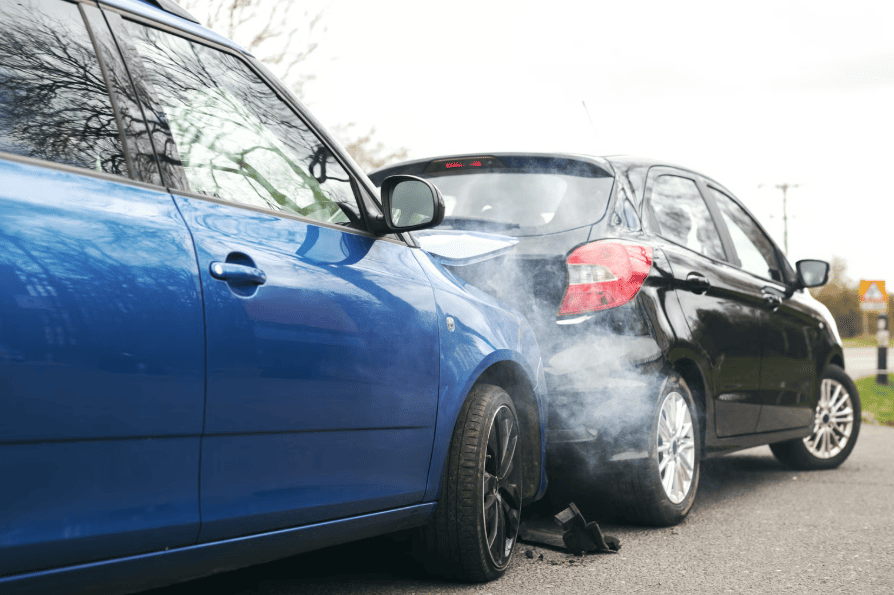
Why rear-end accidents are treated differently
Rear-end collisions are often viewed differently from other types of accidents because drivers are expected to maintain a safe following distance and remain attentive to changing traffic conditions. When a driver fails to slow down or stop in time, it can result in a collision with the vehicle in front.
Because of this, the rear driver is frequently presumed to be at fault. However, this is not always the case. Certain circumstances—such as sudden stops, unexpected hazards, or multi-vehicle collisions—can make liability less clear.
Each accident must be evaluated based on the specific facts involved. Understanding these nuances is important when determining how the crash occurred and who may be responsible.
Common Causes of Rear-end accidents in san antonio
Rear-end accidents are often caused by preventable driving behavior, especially in areas with high traffic volume.
Common causes include: distracted driving, such as texting or using a mobile device, following too closely, leaving insufficient time to react, sudden braking in congested traffic or construction zones, speeding, particularly on highways and major roads, driving under the influence of alcohol or drugs
Fatigue, which can slow reaction time and poor weather or road conditions, such as rain or reduced visibility.
Rear-end collisions can also occur when a driver is impaired. In situations involving alcohol, these cases may overlap with drunk driving accidents.
In many cases, these factors combine to create conditions where a driver is unable to stop in time. Identifying the cause of the accident is a key part of understanding how the collision occurred.
Common Injuries in rear-end collisions
Rear-end collisions can cause a range of injuries, even at relatively low speeds. The force of impact can push the body forward and backward suddenly, placing strain on muscles, ligaments, and the spine.
Common injuries include: whiplash, one of the most frequent injuries in rear-end crashes, back and spinal injuries, which may affect mobility, head injuries, including concussions and soft tissue injuries, which can cause pain and stiffness
Shoulder and joint injuries, depending on impact position
Some injuries may not appear immediately after the accident. Symptoms can develop hours or even days later, which is why it is important to monitor your condition and seek appropriate medical care.
Who is at fault in a rear-end accident?
In many rear-end collisions, the driver of the trailing vehicle is considered responsible because drivers are expected to maintain control and keep a safe distance from the vehicle ahead.
However, fault is not always automatic. There are situations where responsibility may be shared or disputed, such as when a driver in front makes a sudden or unsafe stop, a vehicle merges abruptly into traffic, brake lights malfunction, or a crash involves a multi-vehicle chain reaction. Road hazards or unexpected obstructions can also complicate who is at fault.
Determining responsibility usually requires a careful review of how the accident happened and what each driver did in the moments leading up to the collision.
evidence in rear-end accident cases
Understanding what happened in a rear-end accident often depends on the quality of the available evidence. Clear and well-documented information can help establish how the collision occurred and how it affected those involved.
Important evidence may include police reports that provide an official account of the accident, photographs showing vehicle damage, road conditions, and the scene, medical records documenting injuries and treatment, witness statements offering additional perspectives, and any available traffic or surveillance footage.
Collecting and preserving this information as early as possible helps create a more complete and reliable picture of the incident.
what to do after rear-end accidents
The steps you take after a rear-end collision can affect both your recovery and how the situation is documented.
It’s important to seek medical attention, even if injuries seem minor, document the scene by capturing vehicle damage and road conditions, exchange information with the other driver, and report the accident if required. Keeping records of medical treatment and related expenses is also essential.
Taking these steps helps ensure that important details are not lost and that your injuries are properly recorded.
Mistakes to Avoid After a Rear-End Accident
Certain mistakes can make it harder to fully understand what happened or how injuries developed over time.
Common issues include delaying medical treatment, failing to document the accident scene, giving incomplete or inaccurate information, and ignoring symptoms that appear later. Not keeping records of treatment and related expenses can also make it more difficult to clearly track the impact of the accident.
Avoiding these issues helps ensure that your situation is properly documented.
Compensation After a Rear-End Accident
Rear-end collisions can lead to both immediate and long-term consequences. In situations where another driver is responsible, compensation may be available to address the impact of the accident.
This may include medical expenses related to treatment and recovery, lost income due to time away from work, ongoing care or rehabilitation, and the pain and discomfort associated with injuries.
The extent of recovery often depends on the severity of the injuries and how they affect daily life over time.
How Long Does a Rear-End Accident Case Take?
The timeline of a rear-end accident can vary depending on several factors, including the severity of injuries, the complexity of the accident, and how the situation is resolved.
Some situations are resolved relatively quickly, while others may take longer when there are disputes over fault or the extent of injuries. Recovery time can also influence how long it takes to fully understand the impact of the accident.

Speak a san antonio car Accident Lawyer at The Major Law
If you were injured in a rear-end accident, understanding your options early can help you make informed decisions about what to do next.
You can learn more about your legal options by speaking with a San Antonio car accident lawyer.
Frequently Asked Questions
Not always. While the rear driver is often presumed responsible, fault can vary depending on the circumstances of the accident.
Whiplash, back injuries, and head trauma are among the most frequently reported injuries.
In some cases, recovery may still be possible depending on the level of responsibility assigned in the rear accident case.

Schedule an Initial Consultation
To schedule a free phone consultation, please complete the form.


Texas Office
Arizona Office